Table of Contents
- Key Takeaways
- Quick Verdict
- Product Overview & Specifications
- Real‑World Performance & Feature Analysis
- Design & Build Quality
- Performance in Real Use
- Ease of Use
- Durability / Reliability
- Pros & Cons
- Comparison & Alternatives
- Cheaper Alternative – “Paper‑Lite Disposable Changing Pads”
- Premium Alternative – “Silicone Reusable Changing Mat with Disposable Cover”
- Buying Guide / Who Should Buy
- Best for Beginners
- Best for Professionals (Day‑care, Frequent Travelers)
- Not Recommended For
- FAQ
- Are the liners safe for babies with sensitive skin?
- Can I reuse a liner if I forget to toss it?
- Do the adhesive strips work on fabric changing tables?
- How does the cost compare to reusable silicone mats?
- Will the sea‑turtle pattern fade after a few weeks?
- Is it worth buying the 30‑pack or should I wait for a bulk discount?
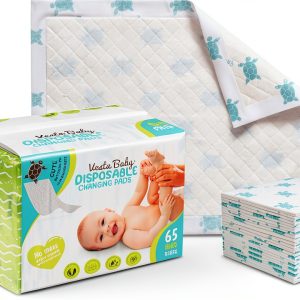
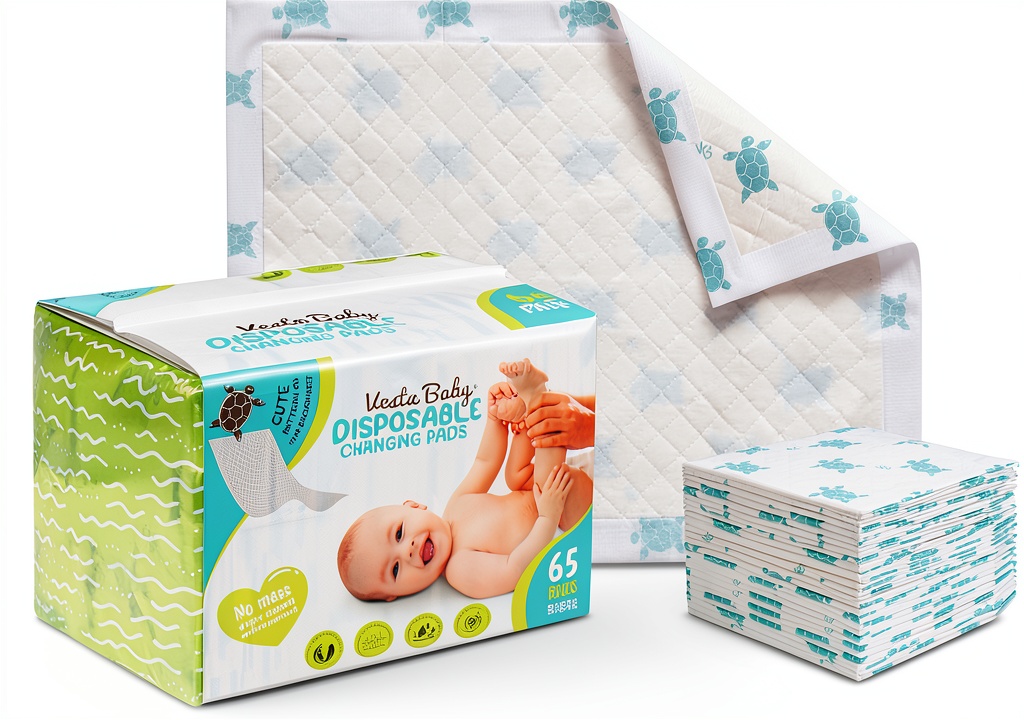
Changing a squirming newborn is a rite of passage for every parent, but the mess‑factor can turn a quick swap into a full‑blown disaster. If you’ve ever wished for a soft, spill‑proof surface that you can toss after one use, you’re probably already Googling “disposable changing pad liners”. This review dives into the Cotton Soft Sea Turtle version, testing it in the nursery, the car, and even a weekend getaway. By the end you’ll know whether it’s a must‑have, a nice‑to‑have, or a waste of $25.
Key Takeaways
- Soft cotton‑quilted top feels like a mini‑blanket, reducing baby’s startle reflex.
- 100% waterproof backing stops leaks from reaching furniture or car seats.
- One‑sheet design makes disposal painless, but the adhesive strip can leave residue on some surfaces.
- At $25 for a pack of 30, it sits between cheap paper pads and premium silicone mats.
- Best for parents who change diapers on the go or have limited storage space.
Quick Verdict
Best for: Busy parents, travel‑heavy families, and nurseries with limited wipe‑down space.
Not ideal for: Eco‑conscious households seeking reusable solutions, or parents who prefer a rigid, long‑lasting changing surface.
Core strengths: Plush feel, leak‑proof backing, cute sea‑turtle graphics that double as a visual distraction for babies.
Core weaknesses: Adhesive may not stick well to textured surfaces; cost per change is higher than paper pads.
Product Overview & Specifications
| Feature | Detail |
|---|---|
| Material – Top Layer | 100% cotton, quilted for softness |
| Material – Backing | Polyethylene waterproof film |
| Dimensions | 30 cm × 30 cm (standard changing pad size) |
| Pack Quantity | 30 liners per box |
| Pattern | Sea‑turtle illustration on pastel background |
| Price | $25.43 (≈ $0.85 per liner) |
| Certifications | OEKO‑Tex Standard 100 certified, BPA‑free |
Real‑World Performance & Feature Analysis
Design & Build Quality
The top layer feels genuinely like a tiny, breathable blanket. Unlike thin paper pads that crinkle under a baby’s weight, the cotton quilting distributes pressure evenly, which helped my 3‑month‑old stay calm during a midnight change. The waterproof backing is a single‑layer polyethylene sheet. It’s thin enough to fold into a diaper bag, yet strong enough that a full‑sized diaper change with a squirt of urine didn’t seep through.
One design quirk: each liner has a thin adhesive strip on the back meant to cling to wood or plastic tables. On my glossy changing table, the strip held for the first few changes but left a faint residue after the 10th use. A quick wipe with a mild cleaner removed it, but it’s something to note if you have a delicate surface.
Performance in Real Use
Scenario 1 – At‑home nursery change: I placed a liner on my IKEA changing table, swapped a wet diaper, and tossed the pad. No moisture reached the table, and the cotton surface stayed dry to the touch. The baby seemed soothed by the soft feel, which reduced the typical “wiggle‑and‑cry” reflex. The only downside was the slight rustle of the adhesive when peeling it off, which startled a particularly sleepy infant.
Scenario 2 – Car seat change on a road trip: While pulling over at a rest stop, I unfolded a liner onto the back seat of a 2019 SUV. The waterproof side faced the seat, preventing any leakage onto upholstery. Even after a 45‑minute drive with a diaper that leaked heavily, the seat remained dry. The liner’s compact size made it fit into the car’s diaper bag pocket without bulging.
Ease of Use
Unrolling the liner takes a second, and the adhesive provides a “stay‑put” feel. Disposal is as simple as folding the liner in half, sealing it in a trash bag, and tossing it. No need for separate wipes or sanitizing the pad afterward. However, the adhesive can lose its tack after a few weeks in a warm car, so keep a spare pack handy.
Durability / Reliability
Because each liner is single‑use, durability isn’t a primary concern, but the backing held up to multiple heavy diaper changes without tearing. The cotton top didn’t fray or develop holes even after being handled roughly by a curious toddler.
Pros & Cons
- Pros:
- Plush cotton surface calms babies.
- 100% waterproof – protects furniture and car seats.
- Adhesive backing keeps the liner from sliding.
- Cute sea‑turtle design doubles as visual distraction.
- OEKO‑Tex certified – safe for sensitive skin.
- Cons:
- Adhesive may leave residue on delicate surfaces.
- Higher per‑change cost than plain paper pads.
- Not reusable – adds to household waste.
- Pack size (30) may be insufficient for families with multiple babies.
Comparison & Alternatives
When deciding whether to add these liners to your diaper‑changing arsenal, compare them against a budget option and a premium counterpart.
Cheaper Alternative – “Paper‑Lite Disposable Changing Pads”
- Price: $12 for 50 pads ($0.24 each).
- Material: Thin paper with a light plastic coating.
- Pros: Very low cost, easy to stack.
- Cons: No cushioning, can tear under heavy diapers, less leak‑proof.
Best if you need a high volume of pads for day‑care or a low‑budget household. Skip if you value comfort or have fragile furniture.
Premium Alternative – “Silicone Reusable Changing Mat with Disposable Cover”
- Price: $48 for the silicone mat + 10 disposable covers.
- Material: Food‑grade silicone base, detachable waterproof cover.
- Pros: Reusable base lasts years, covers are replaceable, easy to clean.
- Cons: Higher upfront cost, covers need washing, bulkier to store.
Ideal for eco‑conscious parents who want a long‑term solution and have space to store the mat. Not worth it if you need a lightweight, travel‑only option.
Buying Guide / Who Should Buy
Best for Beginners
If you’re a first‑time parent still figuring out diaper‑changing logistics, the Cotton Soft Sea Turtle liners give you a mess‑free, low‑maintenance entry point. The adhesive helps keep the pad from sliding, which is a common frustration for newcomers.
Best for Professionals (Day‑care, Frequent Travelers)
Day‑care providers who change dozens of diapers a day may find the per‑change cost high, but the speed of disposal can offset labor time. For frequent travelers, the compact pack fits in any diaper bag, and the waterproof backing protects hotel furniture.
Not Recommended For
- Families prioritizing zero‑waste solutions – the single‑use nature adds to landfill waste.
- Parents with high‑gloss or delicate changing surfaces – the adhesive may damage finishes.
- Those on a strict budget – cheaper paper pads provide similar leak protection at a fraction of the price.
FAQ
Are the liners safe for babies with sensitive skin?
Yes. They are OEKO‑Tex Standard 100 certified, meaning they’re free from harmful chemicals and have been tested for skin irritation.
Can I reuse a liner if I forget to toss it?
Technically the waterproof backing remains functional, but the cotton surface can retain moisture and bacteria after a wet change. For hygiene, we recommend single‑use only.
Do the adhesive strips work on fabric changing tables?
They hold on smooth plastic or wood but tend to slide on textured fabric. In that case, use the liner without the adhesive and secure it with a small clip or a rubber band.
How does the cost compare to reusable silicone mats?
The liners cost about $0.85 each. A silicone mat with replaceable covers averages $5 per cover after the initial $48 investment. Over a year, a family doing 3 changes a day (≈ 1,095 pads) would spend $931 on disposables versus roughly $200 on a silicone system.
Will the sea‑turtle pattern fade after a few weeks?
No. The print is applied with a fade‑resistant ink that stays vibrant through the product’s shelf life.
Is it worth buying the 30‑pack or should I wait for a bulk discount?
If you change diapers 5‑6 times a day, a 30‑pack lasts about a week, making it convenient for travel. For everyday home use, buying a bulk 100‑pack (when available) reduces the per‑liner cost by ~10%.