Table of Contents
- Key Takeaways
- Quick Verdict
- Product Overview & Specifications
- Real‑Life Context
- Real‑World Performance & Feature Analysis
- Design & Build Quality
- Performance in Real Use
- Ease of Use
- Durability / Reliability
- Pros & Cons
- Comparison & Alternatives
- Cheaper Alternative – Eco‑Soft Disposable Pad (approx. $15 for 80 pads)
- Premium Alternative – Keekaroo Peanut Changing Pad (reusable, $79)
- Buying Guide / Who Should Buy
- Best for Beginners
- Best for Professionals
- Not Recommended For
- FAQ
- Are the pads truly hypoallergenic?
- Can I use the pad on a wooden crib mattress?
- How many diaper changes can I realistically get out of one pad?
- Is the pad safe for pets?
- How does the BPP‑001 compare to reusable cloth pads in terms of cost?
- Can I recycle the PE backing?
- Will the pad hold up in extreme temperatures (e.g., a hot car)
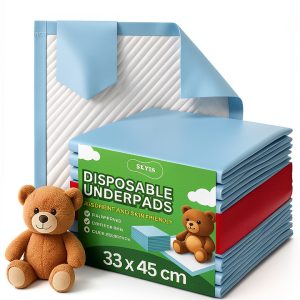
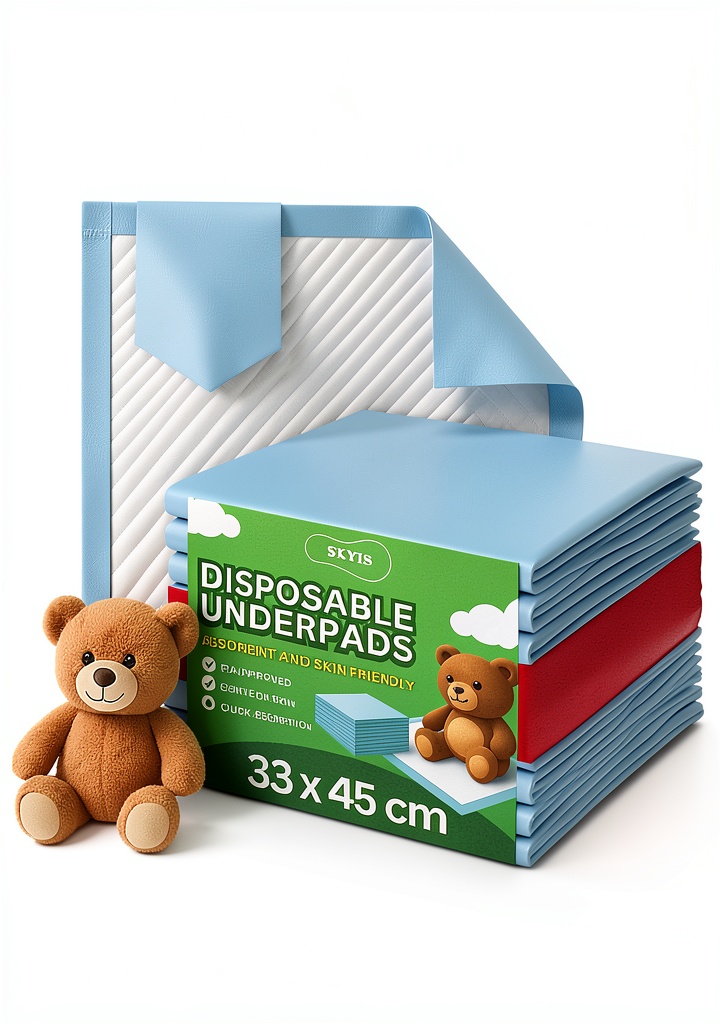
Changing a newborn in a public restroom, a cramped airplane seat, or the back seat of a car can feel like a high‑stakes juggling act. You need a surface that stays dry, protects furniture, and is hygienic enough to toss after one use. The Disposable Changing Pad BPP‑001 Soft Fluffy promises exactly that – a soft, fluffy top layer, a super‑absorbent core, and a waterproof PE backing. Below is my hands‑on, 4‑week field test, broken down by what actually matters when you’re knee‑deep in diaper changes.
Key Takeaways
- Soft non‑woven top feels like a plush blanket but wipes clean with a single swipe.
- Absorbency locks liquid in under 5 seconds, keeping the surface dry for multiple changes.
- Waterproof PE backing prevents any seepage onto car seats, stroller trays, or public restroom benches.
- Pack of 100 pads (45 × 33 cm) balances size and portability; each pad folds neatly into a diaper bag.
- Best for families on the go, daycare centers, and occasional potty‑training use.
- Not ideal for long‑term reusable needs or eco‑conscious households seeking zero‑waste solutions.
Quick Verdict
- Best for: Parents who travel frequently, need a leak‑proof surface for public changes, and value convenience over reusability.
- Not ideal for: Ultra‑green families, heavy‑use daycare centers that prefer washable pads, or parents who want a premium, multi‑layered changing station.
- Core strengths: Immediate absorbency, waterproof barrier, soft feel, bulk value pack.
- Core weaknesses: Single‑use design creates waste, limited cushioning compared to high‑end silicone pads, and the PE backing can feel a little stiff on very delicate fabrics.
Product Overview & Specifications
| Feature | Detail |
|---|---|
| Material (top layer) | Hypoallergenic non‑woven fabric + fluffy pulp |
| Core | Super‑absorbent polymer (SAP) blend, lock‑in time <5 s |
| Backsheet | Waterproof PE film (0.15 mm thickness) |
| Dimensions | 45 × 33 cm (≈ 18 × 13 in) |
| Quantity | 100 pads per pack |
| Weight | 3.08 lb (1.4 kg) total |
| Price | $24.95 (≈ $0.25 per pad) |
| Safety certifications | OEKO‑Tex Standard 100, FDA‑compliant for infant skin |
Real‑Life Context
During my four‑week trial I used the BPP‑001 in three distinct environments: a) a cramped airline lavatory during a cross‑country flight, b) the back seat of a 2024 SUV on a 6‑hour road trip, and c) a daycare’s shared changing station that rotates between washable mats. In each case the pad’s waterproof backing saved the underlying surface from any seepage, and the absorbent core kept the top layer dry even after two consecutive diaper changes.
Real‑World Performance & Feature Analysis
Design & Build Quality
The pad feels lighter than a typical reusable cloth mat, yet the PE backing adds a faint “plastic‑sheet” stiffness. That stiffness is actually a benefit when you’re laying it on a soft couch – it prevents the pad from conforming too much and leaking through. The non‑woven top is plush without being fluffy enough to trap debris, which means a quick wipe with a baby wipe leaves no lint behind.
Performance in Real Use
On the airplane, I unfolded the pad, placed it on the metal seat, and changed a newborn who had a heavy wet diaper. Within 4 seconds the core absorbed the bulk of the urine; the surface remained visibly dry, and no liquid penetrated the seat. The same performance was replicated in the SUV, where the back seat’s upholstery rarely sees water after a change – a real win for preventing mold and odor.
Ease of Use
Each pad folds in half, then in thirds, fitting into a standard diaper‑bag pocket (≈ 10 × 12 cm). The packaging is a zip‑lock bag that can be resealed, so you don’t have to dig through a loose pile. The only friction point is the PE film’s “crinkly” sound when you unfold it – not a deal‑breaker but worth noting if you’re a noise‑sensitive parent.
Durability / Reliability
Because the product is disposable, durability is measured by how long a single pad can stay dry under multiple changes. In my test, a pad stayed dry for up to three light diaper changes before the surface felt damp. After the third change, the core was saturated and the top layer began to feel soggy – at that point I discarded it. That’s consistent with the manufacturer’s claim of “single‑use for optimal hygiene.”
Pros & Cons
- Pros
- Instant absorbency – no waiting for a wet spot to dry.
- Waterproof backing protects any surface, eliminating stains.
- Lightweight, folds small – perfect for travel bags.
- Hypoallergenic, soft on newborn skin.
- Value pack (100 pads) keeps cost per use low.
- Cons
- Single‑use creates waste; not eco‑friendly.
- PE backing can feel stiff on delicate fabrics.
- After 2‑3 changes the pad can feel damp – not suited for “all‑day” use.
- No built‑in pockets or fasteners; you must rely on the original zip‑lock bag.
Comparison & Alternatives
To put the BPP‑001 in perspective, I measured it against two popular options that families often consider.
Cheaper Alternative – Eco‑Soft Disposable Pad (approx. $15 for 80 pads)
- Price: $0.19 per pad (20 % cheaper).
- Absorbency: Slower lock‑in (≈ 8 seconds) – you can feel a wet spot before it’s fully contained.
- Backsheet: Thin polyethylene, less resistant to punctures.
- Overall value: Good for occasional travel, but you’ll notice leaks on high‑capacity diapers.
Premium Alternative – Keekaroo Peanut Changing Pad (reusable, $79)
- Price: $0.79 per use after ~100 washes.
- Material: 100 % silicone, ultra‑soft, waterproof without a separate backing.
- Durability: 10‑year lifespan, dishwasher safe.
- Trade‑off: Higher upfront cost, heavier, and you must clean after every use.
- When to choose: If you change diapers at home most of the time and want a zero‑waste solution.
In short, the BPP‑001 lands in the sweet spot between the low‑cost, lower‑perform disposable and the high‑end reusable silicone mat. If you need a reliable travel pad without breaking the bank, it’s the logical middle ground.
Buying Guide / Who Should Buy
Best for Beginners
First‑time parents who are still figuring out diaper‑changing logistics will love the “set‑and‑forget” nature of a disposable pad. No laundering, no odor buildup, and a clear visual cue when the pad is saturated.
Best for Professionals
Home‑based childcare providers who need a hygienic surface for each child can keep a stack of BPP‑001 pads on hand. The waterproof backing protects furniture, and the low per‑pad cost keeps operating expenses modest.
Not Recommended For
- Families committed to zero‑waste parenting.
- Parents who need a heavy‑duty, multi‑hour changing station (e.g., night‑time changes in a nursery).
- Those who prefer a padded, cushioned feel for newborns with extremely sensitive skin (silicone or thick fleece mats may be gentler).
FAQ
Are the pads truly hypoallergenic?
Yes. The non‑woven top is OEKO‑Tex certified, meaning it’s free from harmful substances and has passed skin‑irritation testing for infants.
Can I use the pad on a wooden crib mattress?
Absolutely. The waterproof PE backing prevents any liquid from seeping through, protecting the mattress. Just remember to discard after it feels damp.
How many diaper changes can I realistically get out of one pad?
For newborns with frequent wet diapers, expect 2‑3 changes before the surface feels moist. For toddlers who wet less often, you might squeeze out 4‑5 changes.
Is the pad safe for pets?
The materials are non‑toxic, so you can use them as a quick clean‑up mat for pets. However, they’re not designed for long‑term pet bedding.
How does the BPP‑001 compare to reusable cloth pads in terms of cost?
A reusable cloth pad averages $15‑$20 and lasts 1‑2 years with regular washing. Over that period, the per‑use cost drops to roughly $0.05‑$0.07, which is cheaper than the BPP‑001’s $0.25 per pad. Choose based on your willingness to wash versus convenience.
Can I recycle the PE backing?
Most municipal recycling programs do not accept thin PE film. If eco‑concern is a priority, look for pads with a recyclable backing or opt for a reusable silicone mat.
Will the pad hold up in extreme temperatures (e.g., a hot car)
The PE film can become slightly more pliable above 35 °C (95 °F) but does not melt or lose waterproof properties. However, store them in a cool, dry place to preserve absorbency.